When Should You Replace an Internal Software Licensing System?
Many commercial software products begin with an internal licensing system.
In the early stages of a product, building licensing internally is often a practical decision. Requirements are relatively simple, engineering teams want full control over the implementation, and introducing another external dependency may not feel justified.
For many organizations, this remains the right approach for years.
As products evolve, however, licensing often grows beyond its original purpose. New pricing models, enterprise customers, offline deployments, and operational workflows gradually increase the complexity of maintaining an internal solution.
The question eventually changes from "Can we build licensing ourselves?" to "Should we continue maintaining it?"
This article explores the situations where companies begin evaluating dedicated licensing platforms, how to recognize when licensing has become operational infrastructure, and what to consider before making a change.
Building Internally Is Often the Right Decision
There are many reasons why software teams choose to implement licensing themselves.
Common examples include:
- Initial licensing requirements are relatively simple.
- Engineering resources are readily available.
- Full control over licensing logic is important.
- Building internally is faster than evaluating vendors.
For products with straightforward licensing requirements, an internal solution may continue serving the business effectively for a long time.
Replacing an internal system should not be viewed as an inevitable milestone. It should be driven by changing business requirements rather than the age of the implementation itself.
When Licensing Becomes More Than a Development Task
As commercial software grows, licensing often becomes part of the company's operational infrastructure.
Instead of simply validating access, it starts supporting pricing decisions, enterprise deployments, customer management, and commercial operations.
This change typically happens gradually rather than all at once.
Common indicators include:
- Pricing changes require engineering work.
- Multiple products or editions share licensing.
- Enterprise customers introduce custom licensing requirements.
- Offline deployments become increasingly common.
- Support teams spend more time resolving licensing issues.
- Licensing workflows become closely connected to billing and customer management systems.
At this stage, licensing is no longer simply part of the application. It becomes an operational system that influences multiple parts of the business.

The Real Cost of Maintaining an Internal Licensing System
The cost of an internal licensing system is rarely a single large project.
Instead, it appears through ongoing engineering and operational work.
Examples include:
- Maintaining licensing logic alongside product development.
- Updating licensing whenever commercial offerings change.
- Supporting customer-specific licensing requirements.
- Building new deployment scenarios.
- Maintaining integrations with other business systems.
Individually, these tasks may seem relatively small.
Collectively, they can consume engineering time that could otherwise be invested in developing the product itself.
Many teams do not replace an internal licensing system because it stops working. They begin evaluating alternatives because maintaining it starts slowing the business down.
Evaluating Your Options
When licensing requirements become more complex, organizations generally have several possible approaches.
Continue maintaining the existing internal solution if current requirements remain manageable.
Modernize the internal implementation if the underlying architecture still aligns well with future business needs.
Or adopt a dedicated licensing platform that separates licensing infrastructure from product development.
There is no universally correct answer.
The right decision depends on factors such as engineering capacity, commercial complexity, deployment requirements, and the long-term role licensing plays within the organization.
If you're also evaluating the broader role of licensing within commercial software, our guide explaining what a software licensing system is provides additional context.
Considering Migration
For organizations that decide a dedicated licensing platform is the right long-term approach, the next question is usually how to migrate without disrupting existing customers.
Fortunately, migrations are often less disruptive than teams initially expect.
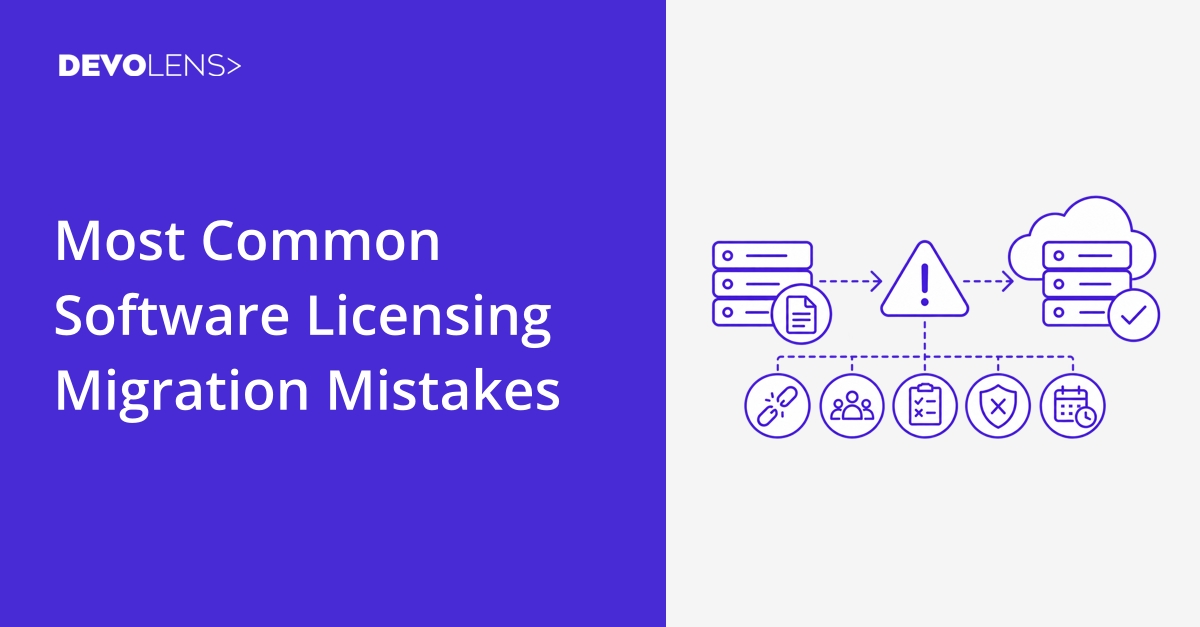
Rather than replacing everything at once, many organizations migrate gradually by:
- Running both licensing systems in parallel.
- Recreating or importing existing licensing data.
- Migrating customers in controlled phases.
- Retiring legacy licensing workflows once the new environment has been validated.
This incremental approach allows engineering teams to reduce migration risk while maintaining continuity for existing customers.
Learn More About Planning a Migration
Successfully migrating an internal licensing system involves much more than moving license data.
Engineering teams also need to evaluate migration readiness, identify potential risks, plan phased rollouts, and determine how existing customers will transition to the new platform.
Our whitepaper, Migrating from an Internal Licensing System to Devolens: Migration Readiness Framework, explores these topics in much greater depth, including:
- Common migration triggers.
- How to evaluate migration readiness.
- Practical rollout strategies.
- Running both licensing systems side by side.
- Approaches for reducing migration risk throughout the process.
If you're actively evaluating whether a migration makes sense for your organization, the whitepaper provides a structured framework for making that decision.
Where Devolens Fits
Devolens is designed for organizations that want licensing to function as dedicated infrastructure rather than internally maintained application logic.
Instead of rebuilding commercial licensing capabilities internally, engineering teams can manage licensing models, customer entitlements, offline deployments, usage tracking, and operational workflows through a dedicated platform while continuing to focus on product development.
Some organizations manage migration entirely with their own engineering teams. Others choose to use implementation support to help plan the rollout, migrate existing licensing data, or validate the new environment before customers are transitioned.
The right approach depends on the complexity of the product and the resources available within the organization.
Final Thoughts
Building an internal licensing system is often the right decision during the early stages of a software product.
As products evolve, however, licensing frequently expands beyond simple access validation and becomes an operational system that supports pricing, deployments, customer management, and commercial workflows.
When maintaining that infrastructure begins to consume increasing engineering time or limit future product development, it may be worth evaluating whether a dedicated licensing platform is a better long-term fit.
Whether an organization ultimately continues building internally or adopts an external platform, making that decision deliberately is usually more valuable than simply continuing with the existing approach because it has always worked.
Get Started with Devolens
Deploy licensing with a leading software licensing provider without long implementation cycles or added operational overhead.